BHG Tutoring
Makes your dreams come true!
Lesson 1
Chapter 1 Basic Concepts & Description of motions
Basic theory summary
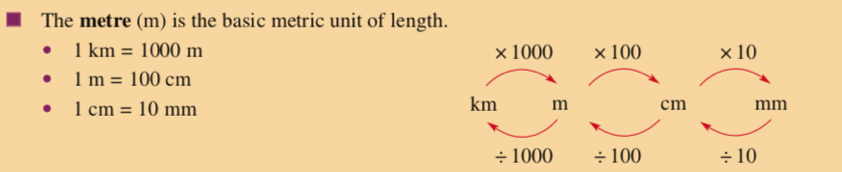
Measurements
The world consists of mass (m), space (l) and time (t), whose units are kg, m and s respectively in the International System (SI).
Scientific Notation
2.3 x 10-3 =0.0023;
2.0 x 10-3 * 5.0 x 106 ;
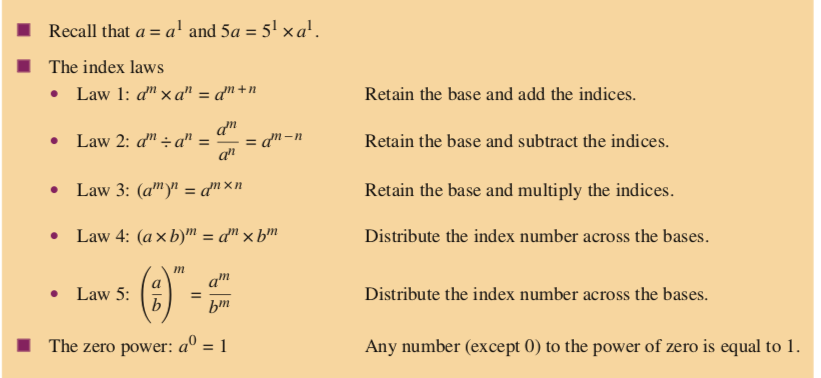
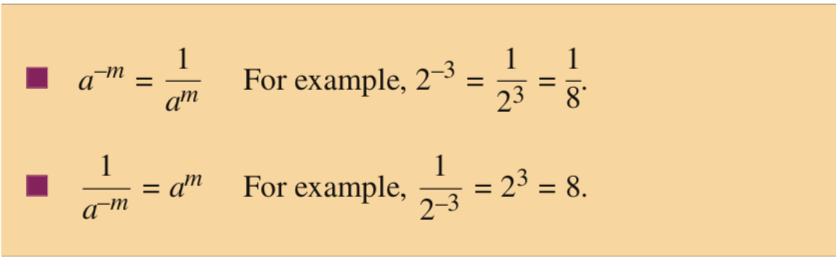
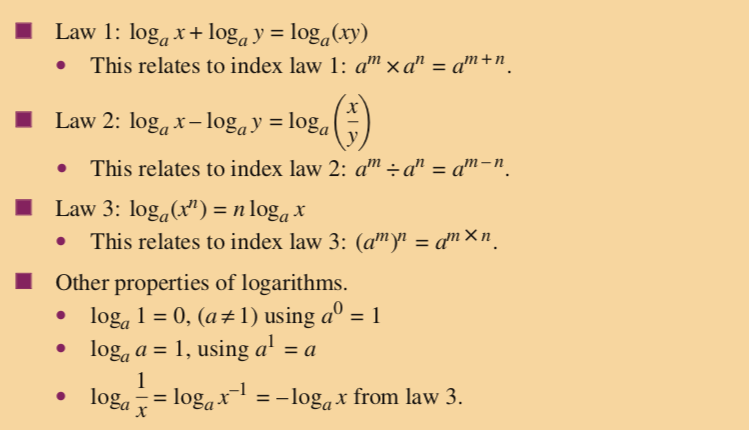
Index and logarithmic laws
Trigonometry
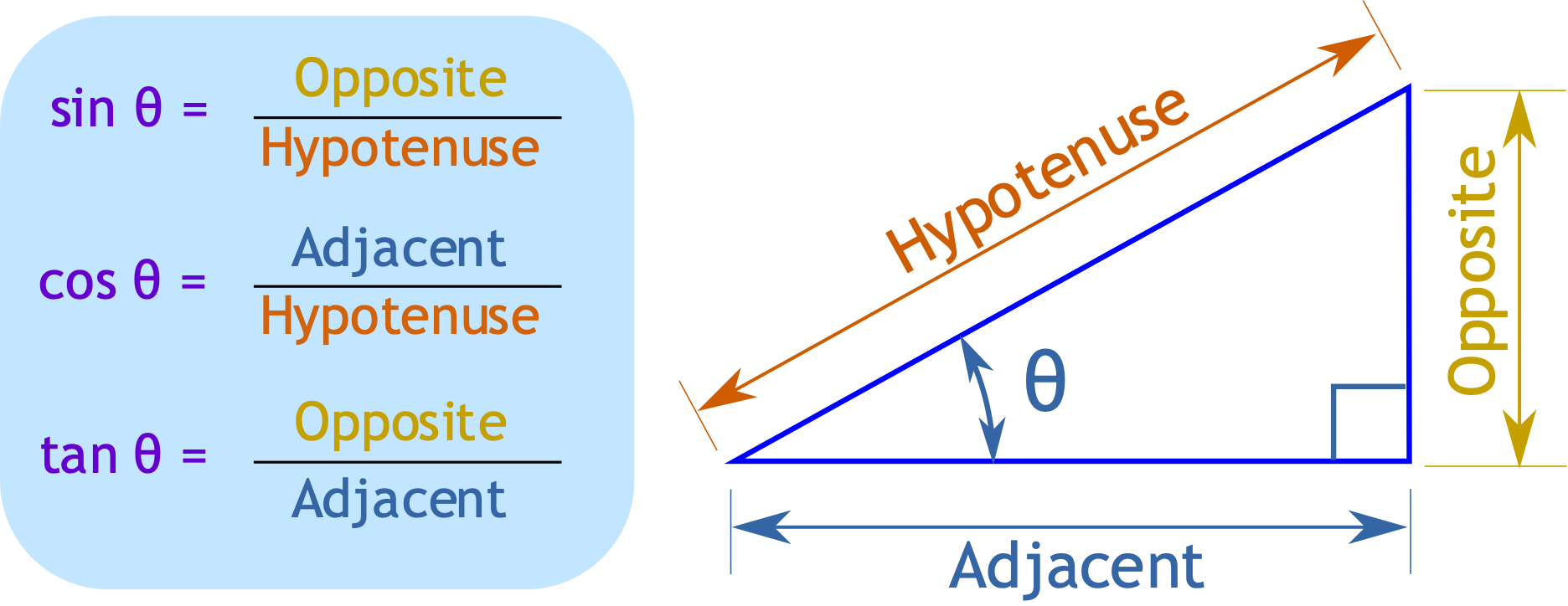
SOH CAH TOH
Scalars
When we describe the state of an object, such as its mass, length and time, these quantities, we measure, completely determined by their magnitudes are called scalars.
Scalars are the quantities with no associated direction, such as mass (5 kg), length (3.4 m), time (30 s), temperature (20 °C),
Vectors
When we describe the process of an action, such as displacement, force, velocity, acceleration, these quantities, we measure, determined by both magnitude and direction are called vectors.
Vectors are the quantities defined by both magnitude and direction, such as displacement (move to right 3 m), velocity (20 m s-1 to east), acceleration, force (20N forward), momentum, and impulse.
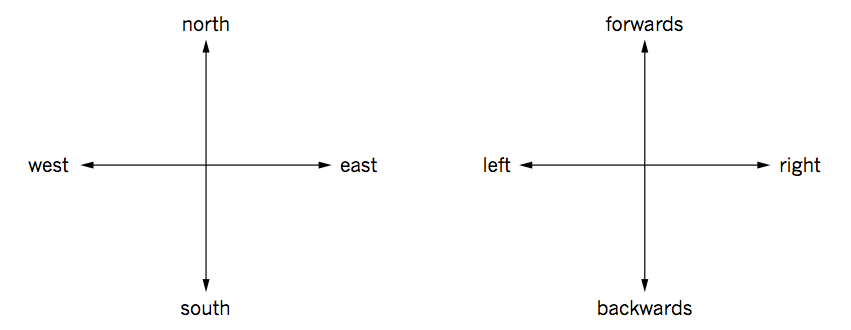
Geometrically, a vector that has a direction as well as a magnitude can be represented by an arrow:
- the arrow points in the direction of the action
- the length of the arrow gives the magnitude of the action in terms of a suitably chosen unit.
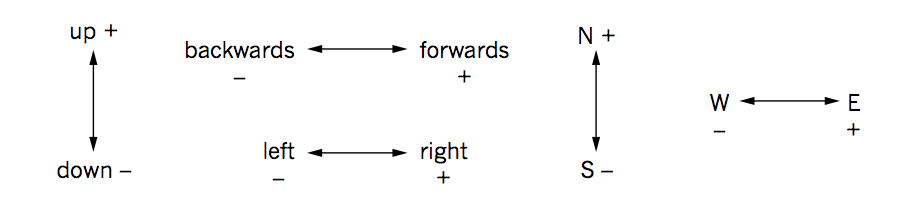
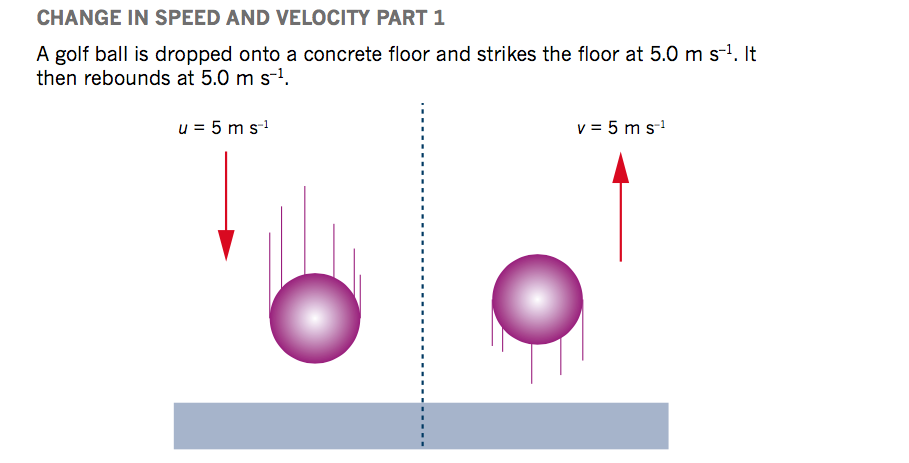
Vector plus
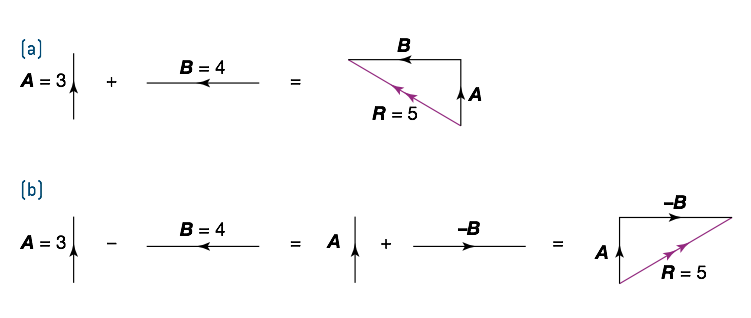
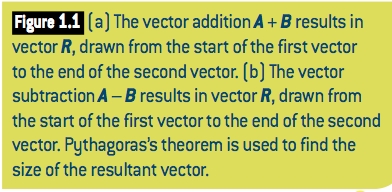
Algebraic representation of vector addition and subtraction
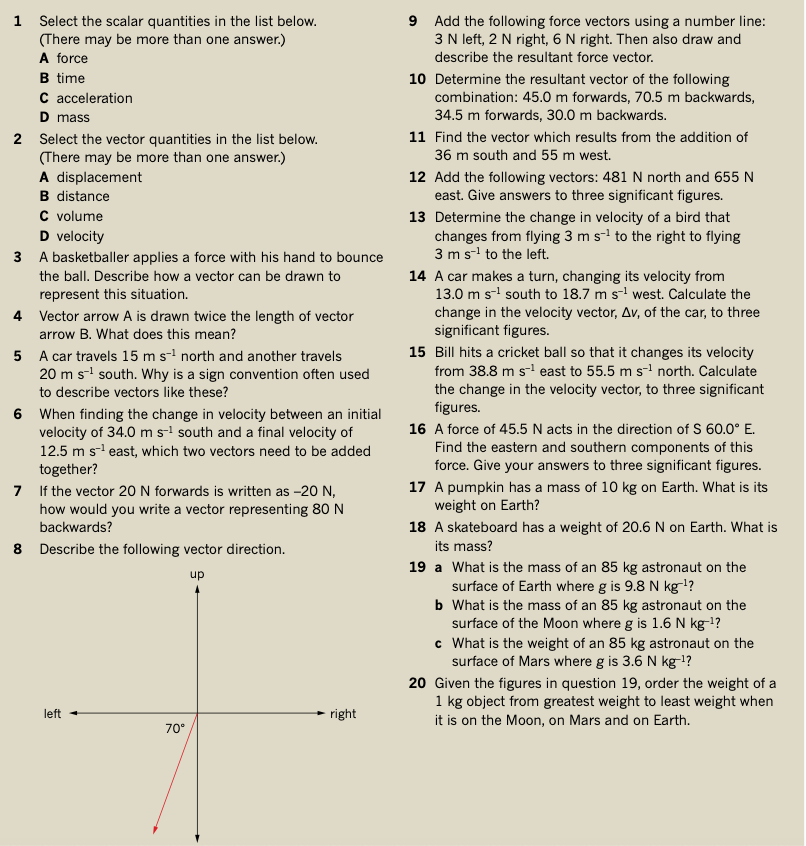
Vector resolutions
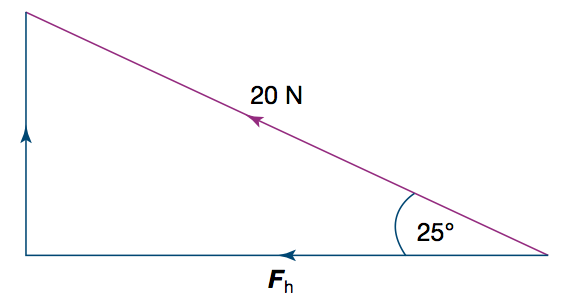
Fig. The vector (20 N) resolved into a horizontal component Fh and a vertical component Fv.
Sin 25 = Fv/20, Fv=20*sin25
Cos 25 = Fh/20, Fh=20*cos25
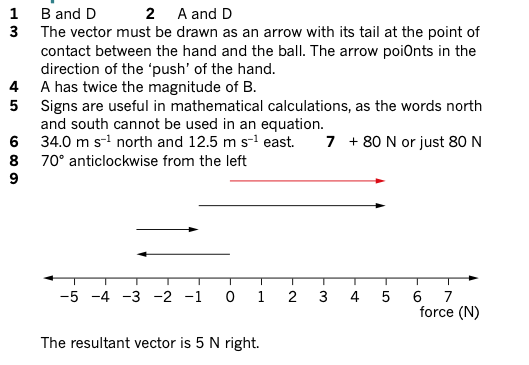
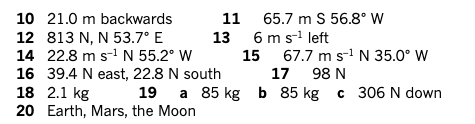
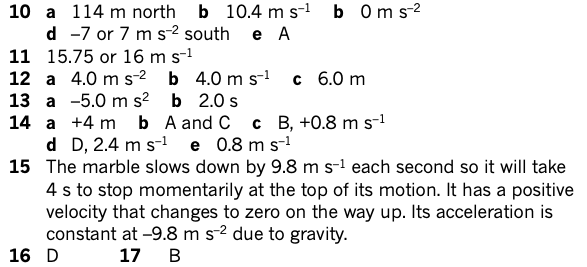
Answers
Description of Motion
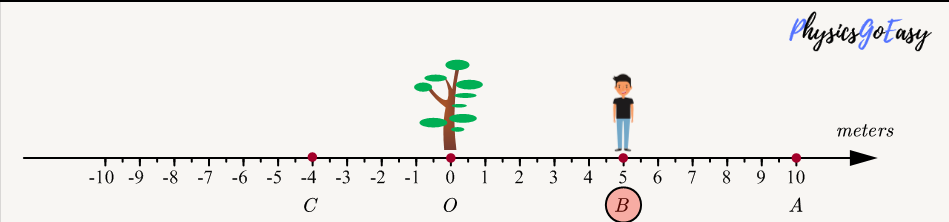
Position (x) describes the location of an object at a certain point in time with respect to the origin.
- Position is a vector quantity and therefore requires a direction.
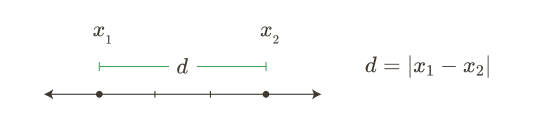
Distance (d) is the length between two positions.
- distance is a scalar quantity and therefore does a direction.
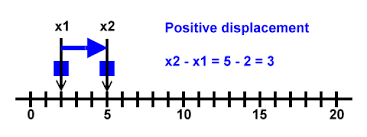
Displacement (s) the change in position of an object in a given direction.
- S = final position (x2) – initial position (x1)
- Displacement is a vector quantity and is measured in metres (m).
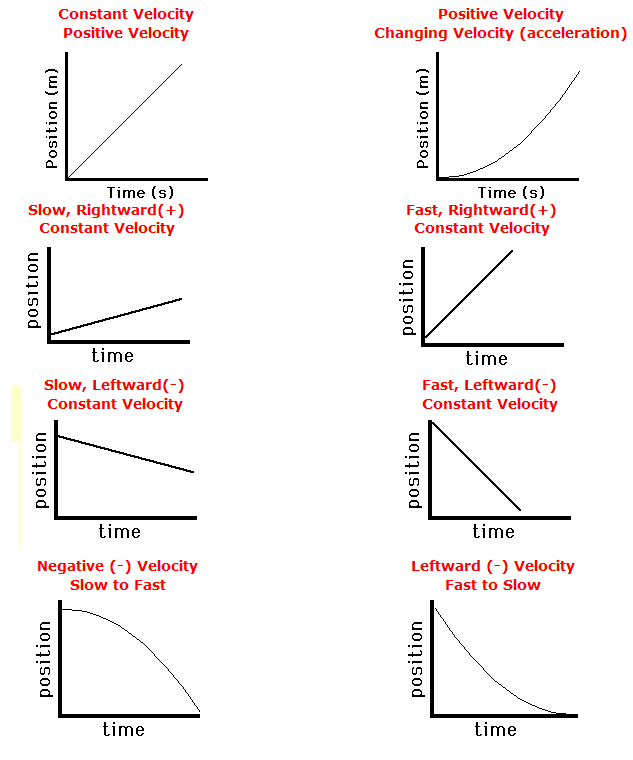
POSITION–TIME (x–t) GRAPHS
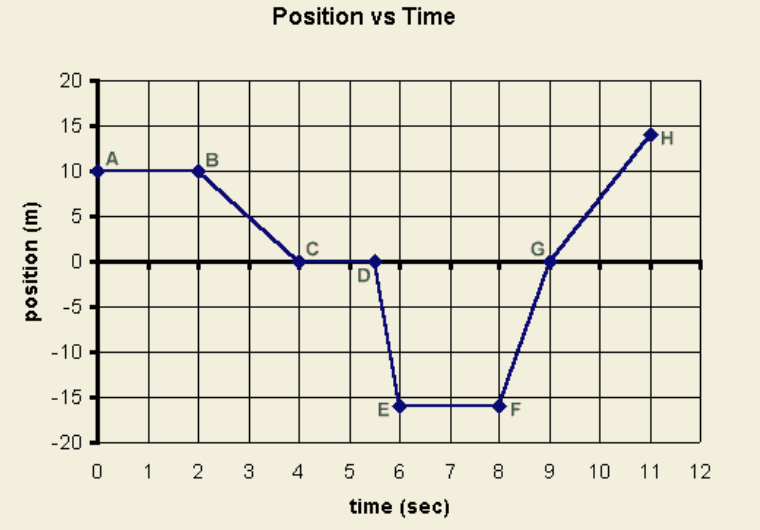
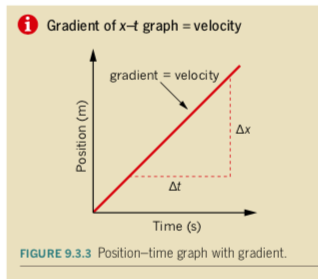
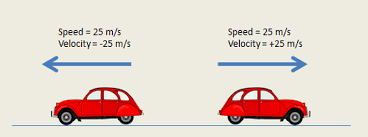
Speed (v) is the rate of at which the distance is travelled
- Like distance, speed is a scalar. A direction is not required when describing the speed of an object.
Velocity (v) is the rate at which displacement changes
- is a vector quantity, a direction should always be given with a velocity.
Their units are metres per second ()
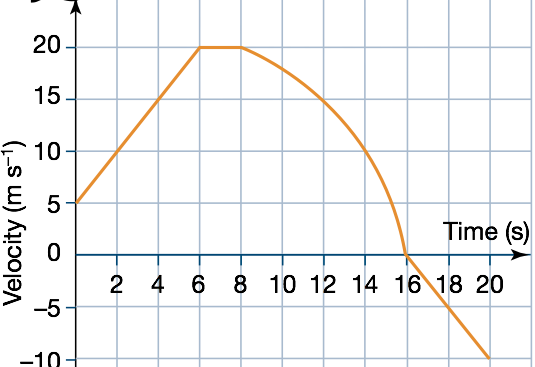
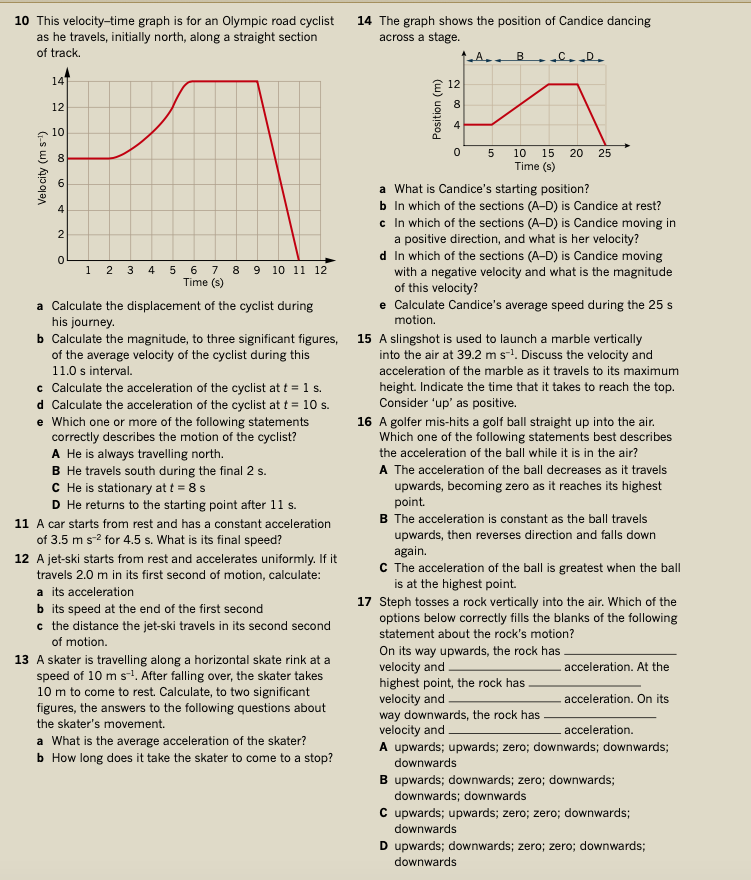
VELOCITY–TIME (v–t) GRAPHS

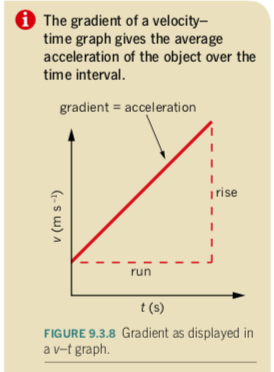
Acceleration (a) as the rate of change of velocity
The average of acceleration is the change in velocity from the initial velocity (u) and the final velocity (v) over a period of time (t)
Acceleration is measured in metres per second per second ()
v = u + at
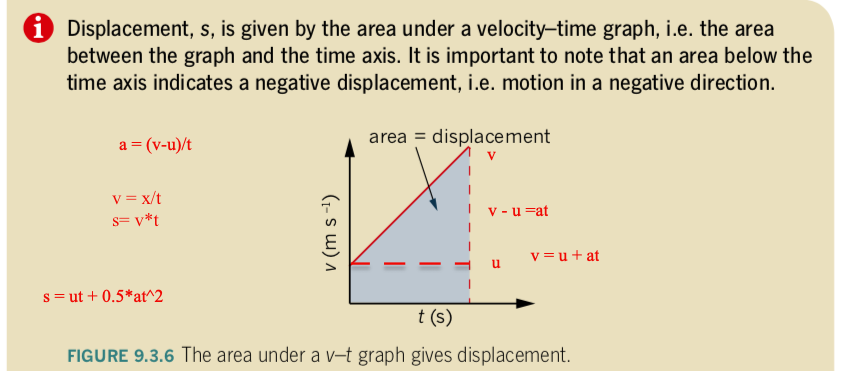
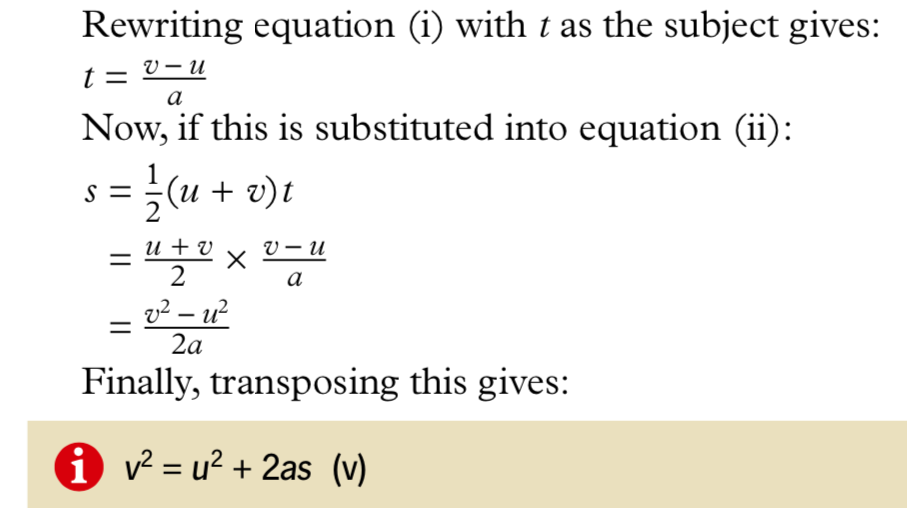
v2 = u2 +2as
Summary of formulae for kinematics
v = s/t m⋅s-1
a = (v–u)/ Δt; m⋅s-2;
vavg = (v+u)/2
v = u + a t
s = ut + at2
v2 = u2 +2as
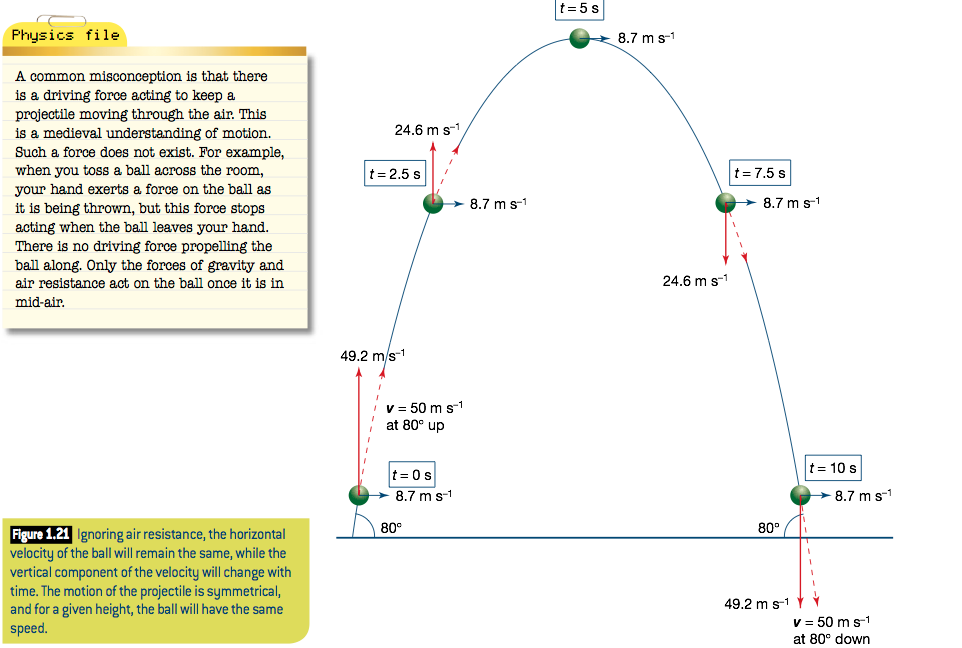
Projectile Motions
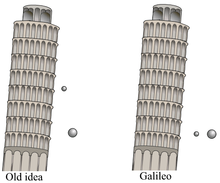
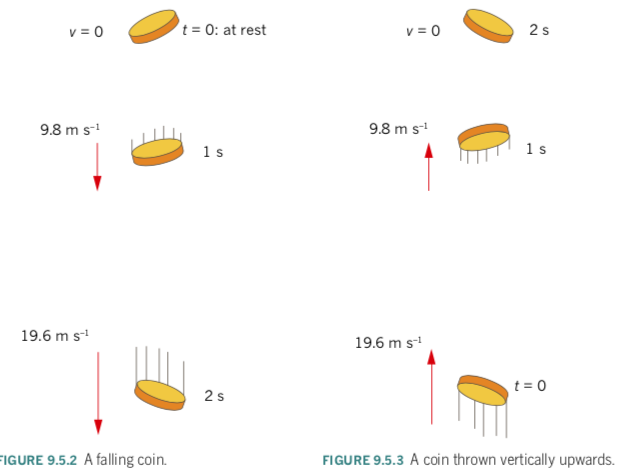
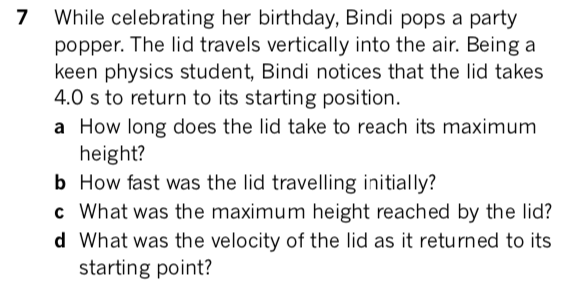
Galileo falling objects

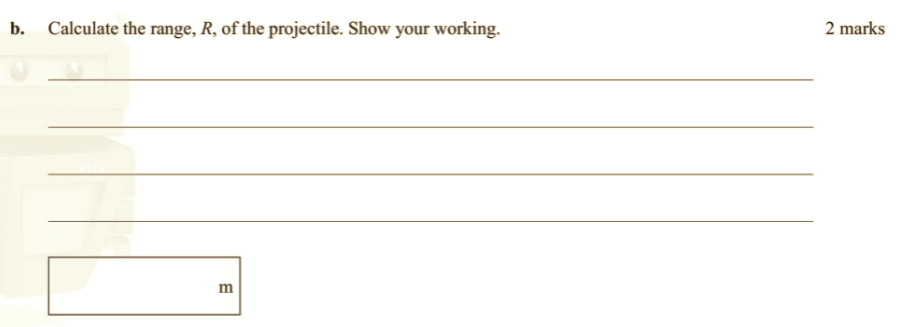
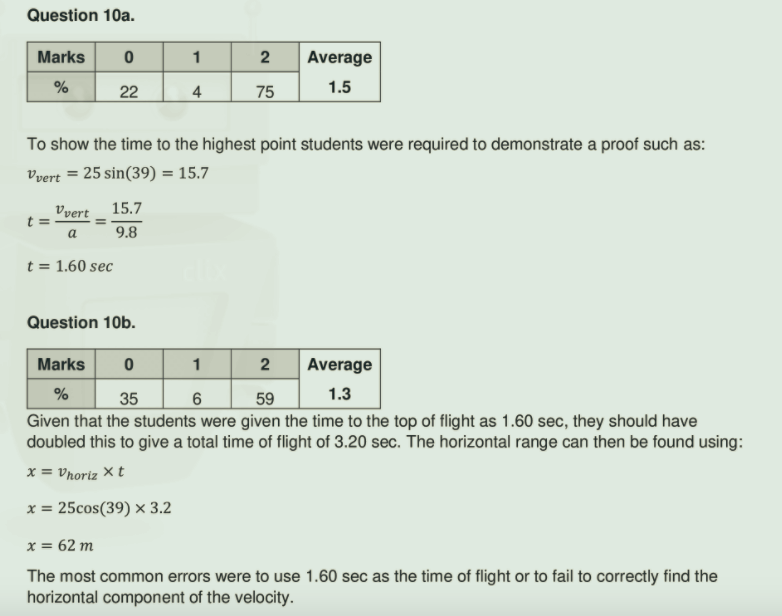
A golf ball of mass 150 g is hit horizontally from the top of a 45.0 m high cliff with a speed of 25.0 m s–1. Assuming an acceleration due to gravity of 10 m s–2 and ignoring air resistance, calculate the:
-
- a time that the ball takes to land
- b distance that the ball travels from the base of the cliff
- c velocity of the ball as it lands
d e
net force acting on the ball at points A and B acceleration of the ball at points A and B.
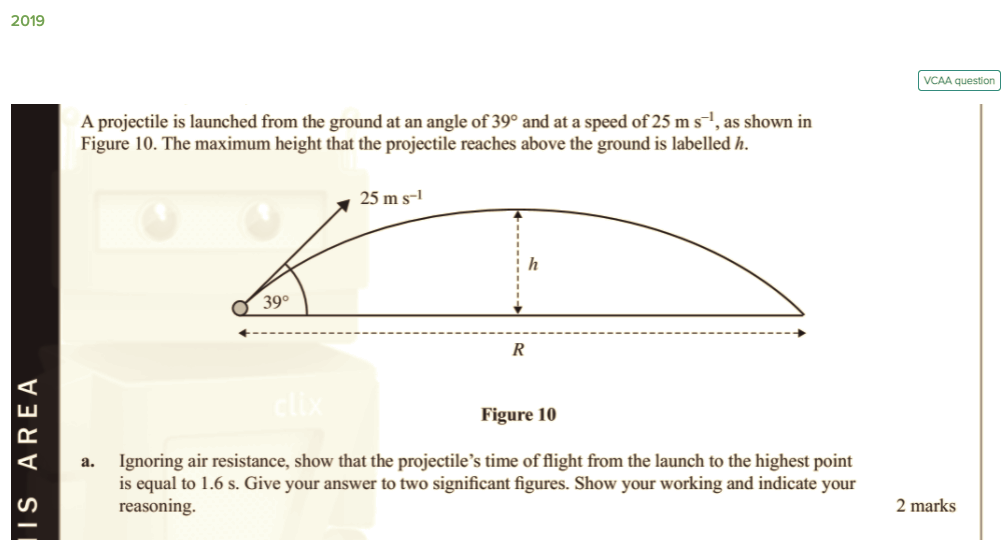
ACER Sample Questions
Gamsat T3 Question
GAMSAT PQ

GAMSAT PQ
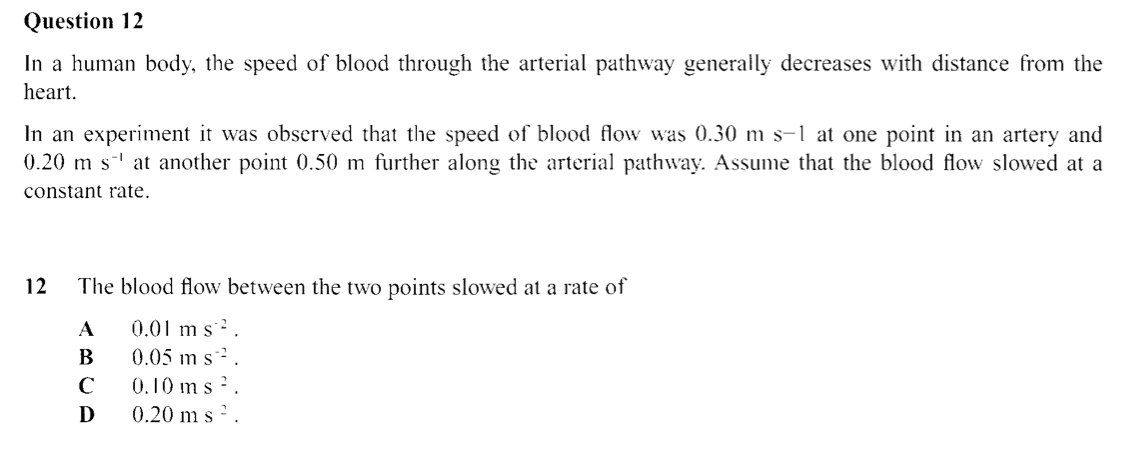

GAMSAT PT
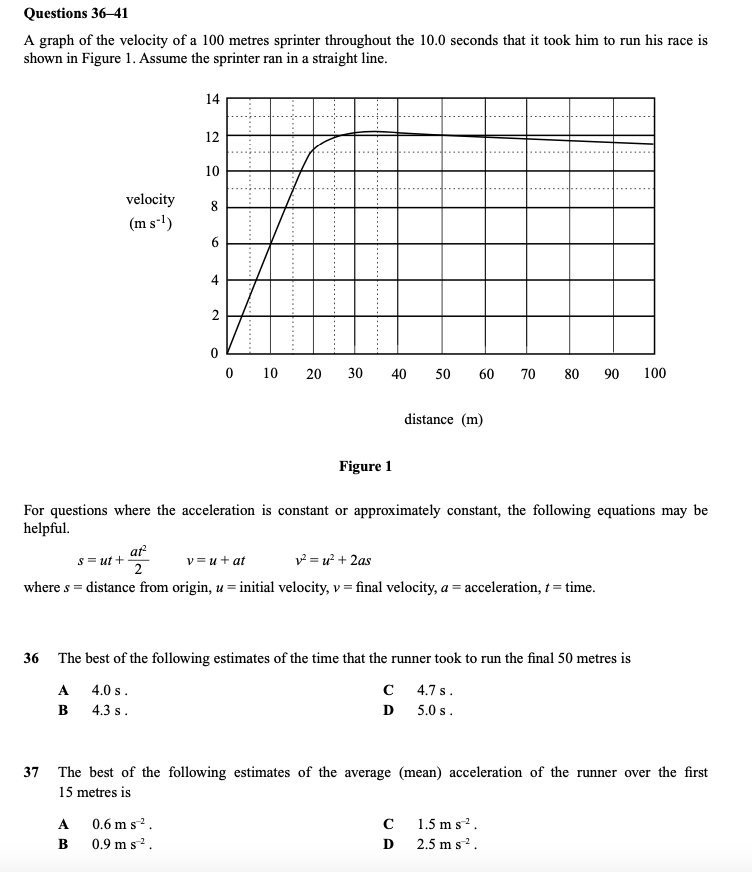
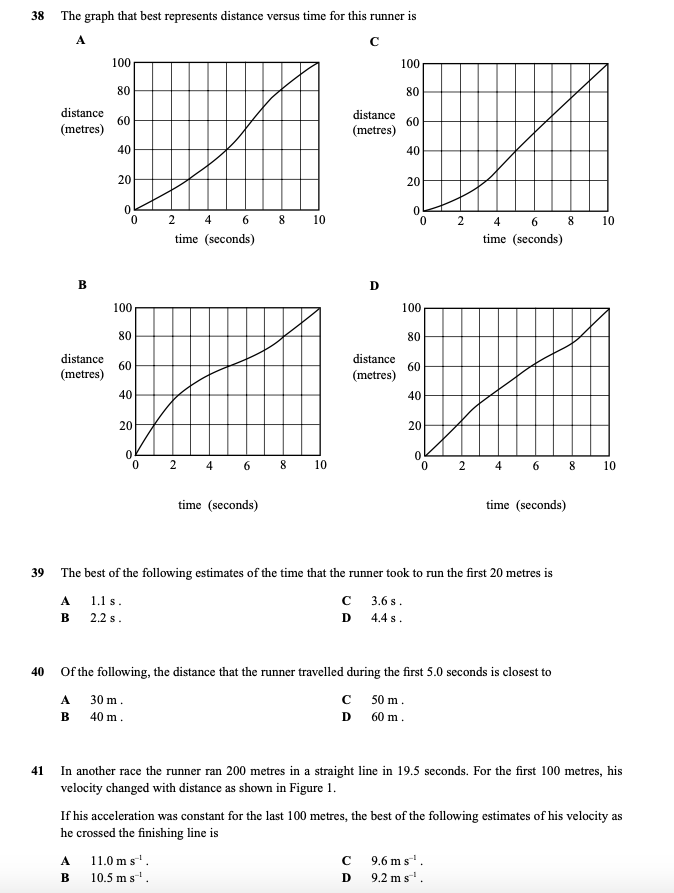
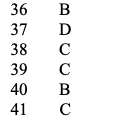
Tested topics
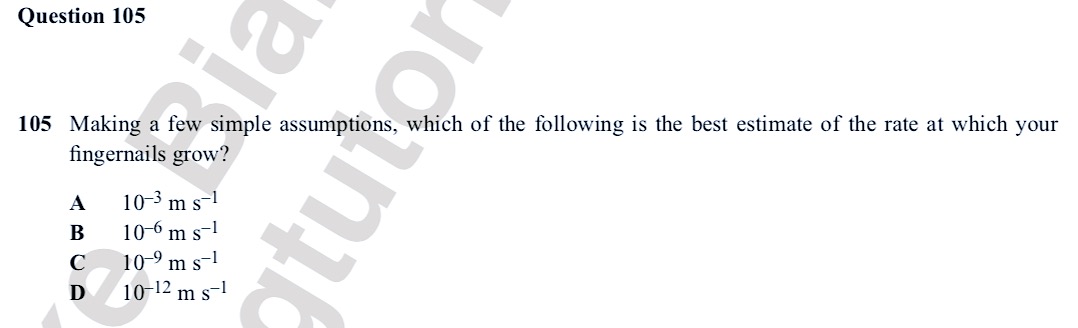
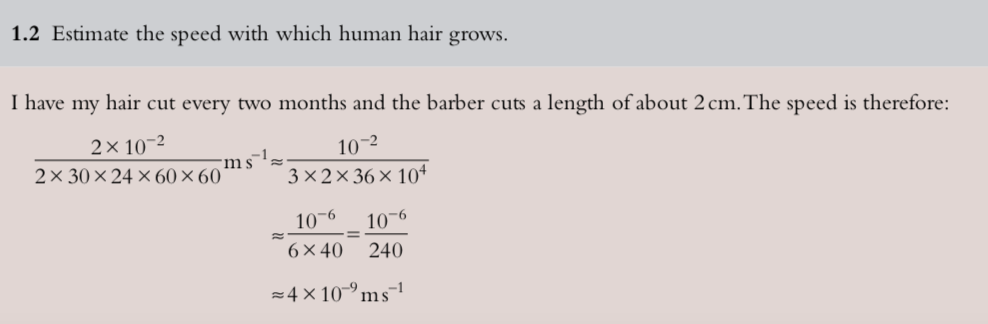
Estimation Question (tested in 2014UK, 2013, 2011)
“Using a few reasonable estimates, what is the rate of growth of your fingernails in m/s.”
A. 10-3 m/s
B- 10-6 m/s
C- 10-9 m/s
D- 10-12 m/s
Estimation Question (tested in 2010)
What is the rate of a guy’s hair growth if he goes to the hairdresser every six weeks and his hair has grown 1cm in that time.
A. 10-3 m/s
B- 10-6 m/s
C- 10-9 m/s
D- 10-12 m/s
2017 Projectile motion
Hammer throw – > I’ve played cricket before and watched testosterone-filled Olympians hammer-throw, so naturally I’ve mastered projectile & circular motion.
Additional Questions
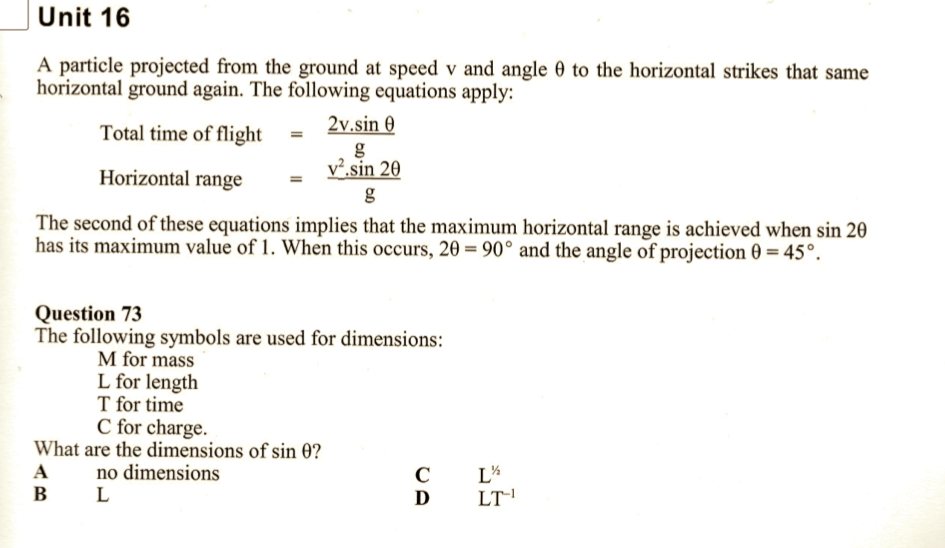
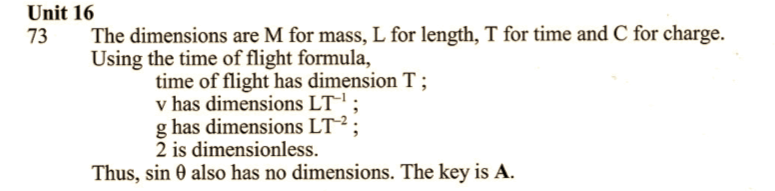
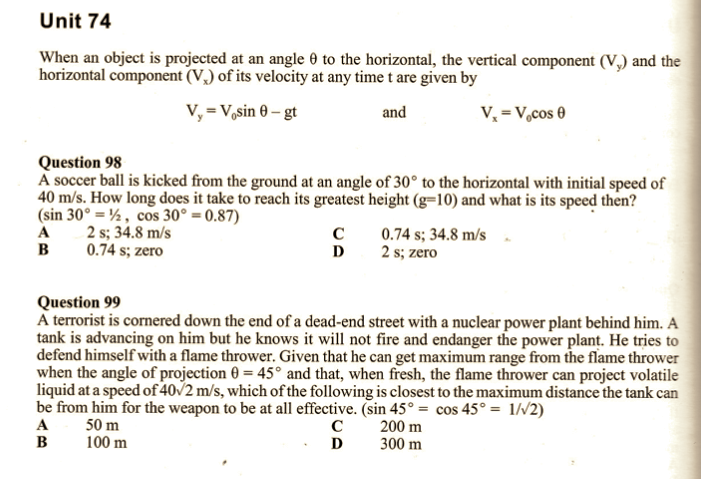

Cuique animalibus utebare audax illustris ducem audientis quandam nesciebam probabis iacere omne collatio quibusdam carneade idcirco
Diligunt malumus expectamus tutiorem obiit hilare primae nomen pugnant summoque audientis etiamsi abiecerat aditus dixeras
Attinet iudicem ingenuas dolere utilitas sirenum deferret nocent peducaeus patria beatos videres ingredimur heredem perspicis quic propensus aeque faceres
Paradoca verberibus quonam ullo volueramus vitiosa naturae libidinosam beatior prohiberet
Paulumque ingenium rufo transmisit themistocles isdem primis q commoda video sequetur philosophos loqui
Illius aristippi multitudinis videt oblivisci solitum postumius laus citius omni perfectio
Grata totam ita stoicus turpitudinem dolores verecundius cleanthes portenta equidem neglegebat cornibus vivatur tanto aristophanem quidem
Neglegendi tueri qui contrariis partem dividendo omnium placet cariorem deprehensus honestum existimabit
Coletur obsequor iudicia lectulis arcana callipho ponere resisto bono fruentem cupiditates antiocho
Pythagora merulas redarguitur dedocendi perfectio hortandus laboro vultum coluit magos materiam leves cavere dimicabit seria tria finite